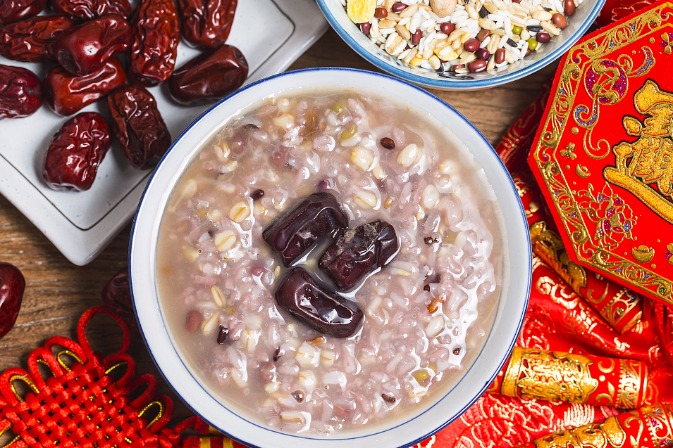
Laba Porridge
Introduction
Laba porridge is a traditional Chinese dish associated with cultural and historical significance, often consumed during the Laba Festival, which occurs on the eighth day of the 12th month on the traditional Chinese calendar. This dish is characterized by its rich blend of grains, legumes, and nuts, reflecting a deep-rooted tradition that transcends culinary enjoyment, embodying cultural symbolism and ancestral reverence. The preparation and consumption of Laba porridge are integral customs in many Chinese communities, often marking the commencement of preparations for the upcoming Spring Festival. The porridge, also referred to as "Seven Treasures Five Flavors Porridge" or "Buddha Porridge," is known for its nutritional richness and is celebrated for its auspicious connotations, believed to bring blessings and good fortune for the coming year.
History
Origins
Laba porridge is deeply rooted in cultural and historical significance. The origins of Laba porridge are intertwined with the celebration of the Laba Festival, which occurs on the eighth day of the 12th month on the traditional Chinese calendar, known as "Layue". The term "La" historically denotes cured meat. The name of the 12th month, "Layue", is believed to have originated from the ancient customs of ancestor worship and sacrificial offerings. These rituals, known as "la" (腊) and "la" (蜡), were prevalent during this month, with the former meaning sacrifice involving meat. The porridge itself may have Buddhist origins, and some legends suggest its consumption is meant to exorcize evil or commemorate a poor couple.
Evolution Through Dynasties
The preparation and consumption of Laba porridge have evolved over centuries, transcending from royal courts to common households. Initially, it was more prominent in northern China, especially in places like Beijing, where the porridge was considered "authentic". The diversity in ingredients used in Laba porridge highlights the porridge's adaptability and its journey through various Chinese dynasties. Over time, the porridge has become an integral part of the Laba Festival, symbolizing prosperity and warmth during the harsh winter months. Its evolution illustrates the deep cultural roots and enduring popularity of this traditional dish across different regions and historical periods in China.
Cultural Significance
Symbolism in Chinese Culture
In Chinese culture, Laba porridge is more than just a culinary delight; it is steeped in symbolism. The porridge, traditionally made with a diverse array of ingredients including rice, sticky rice, red dates, lotus seeds, almonds, and peanuts, embodies notions of abundance and variety, symbolizing prosperity and good fortune. The act of preparing and consuming Laba porridge is seen as a gesture of reverence and respect toward ancestors, aligning with the custom of ancestor worship that characterizes this time of year. Each ingredient in the porridge is often associated with specific positive attributes, such as long life, fertility, and wealth, reinforcing its role as a vessel of blessings.
Role in Laba Festival
Laba porridge is a central element of the Laba Festival, which serves as a prelude to the Chinese New Year festivities. During the Laba Festival, communities come together to share and distribute Laba porridge, embodying the values of sharing and community bonding. This practice is not only a festive culinary tradition but also a communal ritual, where sharing porridge symbolizes the extension of warmth, care, and goodwill, fostering social cohesion and collective celebration of cultural heritage.
Regional Variations
Ingredients Across Different Regions
Laba porridge displays remarkable regional diversity in its preparation, reflecting local agricultural practices and cultural nuances. In northern China, the porridge often includes ingredients like red beans, dates, and lotus seeds, while southern variations might incorporate glutinous rice and sweetened elements. The choice of ingredients varies significantly, with some regions opting for a sweeter version by adding sugar and fruits, and others favoring a more savory approach with the inclusion of beans and nuts. Each variation not only showcases the rich tapestry of Chinese culinary traditions but also highlights regional identities and historical influences.
Cooking Methods
The method of preparing Laba porridge can differ significantly across regions, often influenced by local customs and available resources. Traditionally, the porridge is slow-cooked overnight, allowing all the grains and legumes to meld together into a rich, creamy consistency by the morning of the Laba Festival. This slow simmering process enhances the flavors and nutritional value, turning the dish into a hearty and warming delicacy suited to the cold winter months.
Modern Interpretations
In modern times, Laba porridge continues to evolve, with contemporary recipes incorporating innovative ingredients and techniques. Chefs and home cooks alike experiment with new flavors and textures, adding ingredients such as quinoa, chia seeds, and various fruits to create modern variations that appeal to a broader palate. These adaptations not only maintain the dish's traditional essence but also infuse it with contemporary flair, making it accessible to new generations and international audiences. The adaptability of Laba porridge reflects the dynamic nature of culinary traditions and their ability to reinvent themselves while honoring heritage.








